
1. Overview
Astrology is an ancient system for interpreting the relationship between celestial cycles and human affairs. Across cultures it has functioned as a blend of observation, calculation, symbolism, and ritual: a way of reading time and experience through the patterned motions of the sun, moon, and planets. Historically, it has been used for calendrics, governance, medicine, agricultural timing, and personal guidance.
In contemporary settings, astrology often operates less as strict prediction and more as a symbolic vocabulary for identity and meaning-making. People may consult astrology for self-reflection, narrative coherence during uncertainty, or “timing” decisions (relationships, travel, career), and increasingly through apps and social media.
2. Origins & historical context
Systematized astrology has deep roots in ancient Mesopotamian omen traditions and later develops into more formal chart-based approaches. Through time, astrological knowledge moves across cultural corridors—Hellenistic, Persian, Indian, Arabic, and medieval European—often alongside astronomy, medicine, and philosophy.
Medieval and Renaissance contexts integrate astrology into elite learning (courts, universities, medical practice), while also generating religious critique and legal restriction. In modernity, astrology’s cultural role shifts: it becomes associated with popular print culture (horoscopes), then later with counseling-style practice, and now with digital platforms and global hybridization.
3. Core beliefs & principles
Astrological systems differ, but many share a core logic: celestial cycles provide a structured “map” for interpreting personality, relationships, and timing.
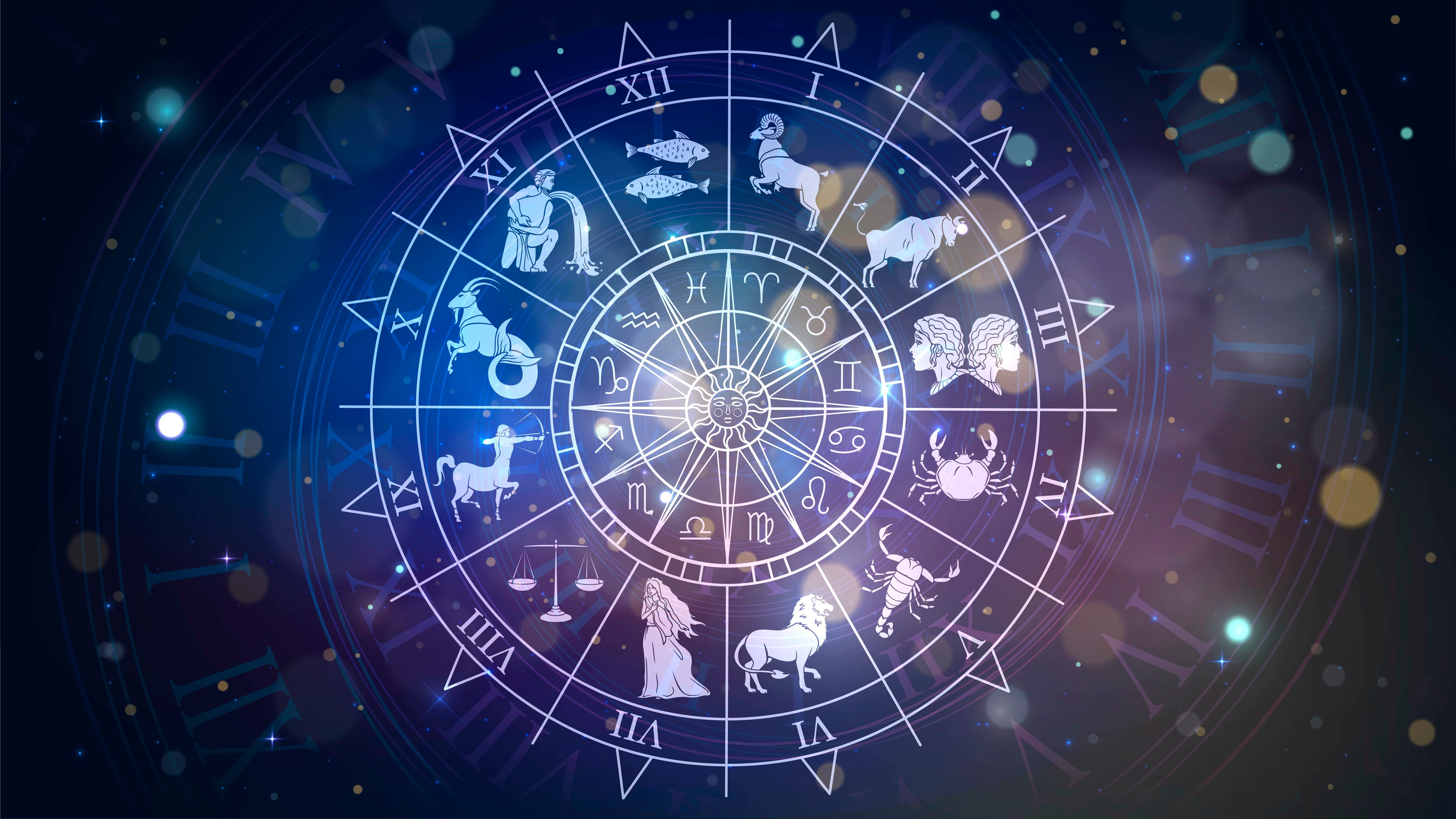
Twelve-sign division of the ecliptic (in many Western systems), associated with elements, modalities, and symbolic traits.
Sun and Moon plus planetary bodies as “actors” with distinct meanings (e.g., drive, limits, growth, change).
Life domains (work, family, relationships, resources) mapped by local horizon and time/place of birth.
Angular relationships between planets (conjunction, square, trine, opposition) interpreted as tensions/harmonies.
Many forms of astrology rely on technical chart construction: time zones, calendars, coordinates, and angle calculations. Contemporary software makes this accessible, but traditional schools still debate interpretive rules, what counts as “valid,” and how much weight to assign to different factors.
4. Texts, authority & expertise
Historically, astrology develops through a body of technical and philosophical writing: omen compendia, horoscopic manuals, and systematic treatises. Western astrological traditions frequently reference classical authors (often including Ptolemy), late antique introductions, and medieval Arabic and Latin texts. Indian traditions draw from Jyotish literature; East Asian forms integrate calendrical and cosmological texts.
Authority is typically informal and competence-based: training, lineage, reputation, and demonstrated interpretive skill. In modern Western contexts, authority can also function through professionalization (certifications, schools, publications) and social credibility online.
5. Practice, ritual & timing
Astrology is often practiced as consultation (personal readings), timing (electional astrology), and relationship dynamics (synastry). In some cultures, astrology is embedded in ritual calendars—choosing auspicious dates, marking festivals, and harmonizing daily life with cosmic cycles.
Astrology can intersect with spirituality: prayer, offerings, talismans, and devotional practices may accompany chart work (especially in some Vedic and syncretic contexts). In other settings, it is treated as a counseling language rather than ritual.
6. Diversity of traditions
- Western (horoscopic) astrology: natal charts, houses, aspects, transits; many sub-schools (traditional, modern psychological, evolutionary).
- Vedic / Jyotish: sidereal zodiac emphasis, nakshatras, remedial measures in some lineages (mantra, ritual, gemstones, charity).
- Chinese astrology: animal signs, calendrical cycles, elemental theory; often integrated with broader cosmology and timing practices.
- Islamic, Persian, and other historical streams: major role in transmission and technical refinement within medieval intellectual life.
- Contemporary hybrids: global borrowing and remixing via social media, apps, and cross-tradition communities.
7. Ethics, law & daily life
Astrology has long faced ethical and legal scrutiny—often where it is perceived to threaten religious doctrine, undermine free will, or overlap with magic. Today, ethical concerns often cluster around:
- Determinism: using charts to declare fixed outcomes (“you will…”), reducing agency and responsibility.
- Dependency: clients becoming unable to act without readings.
- Fear-based counsel: catastrophic predictions that heighten anxiety, especially for vulnerable people.
- Discrimination: using astrology to judge compatibility, hiring, or moral worth.
- Boundaries: astrologers drifting into medical/legal certainty without qualifications.
8. Modern lived experience & digital astrology
Apps and social platforms have reshaped astrology into a daily-consumption format: notifications, bite-sized horoscopes, meme culture, and community identity. This democratizes access, but can flatten complexity, encourage overconfidence, and commercialize spiritual language.
Many modern communities use astrology as a shared symbolic grammar—an interpretive shorthand for moods, seasons of life, and relational patterns. For some, it is spiritual; for others, it is cultural or playful. Your best move is curiosity about what it does for the client.
9. Scientific & epistemological debates
Astrology’s scientific status remains widely contested. Critics point to methodological issues (testability, replicability, causal mechanism), while practitioners may frame astrology as symbolic, archetypal, or phenomenological rather than mechanistic science. Scholars often study astrology as a cultural knowledge system: how it creates meaning, legitimizes expertise, and organizes time and identity.
10. Practitioner notes
Clients may bring astrology into sessions as identity language (“I’m a Scorpio”), decision support, or a way to narrate uncertainty. The goal isn’t to affirm or ridicule—it’s to understand function, reduce harm, and protect agency.
- “What role does astrology play for you—spiritual truth, self-reflection, timing, or something else?”
- “Does it increase your clarity and agency, or does it create anxiety and indecision?”
- “When you receive a strong prediction, what do you do with it in practice?”
- “Would it help to translate the insight into concrete choices you can own?”
11. Further reading
Add a balanced list: one history of astrology, one anthropology/sociology of contemporary practice, one text on Hellenistic/traditional astrology, one on Jyotish, and one on digital/modern spirituality.